The four components
- KPV: a tripeptide fragment of alpha-melanocyte-stimulating hormone, studied for its effects on inflammatory signalling in intestinal and skin cell models.
- GHK-Cu: the copper tripeptide, studied in fibroblast and extracellular-matrix remodelling research.
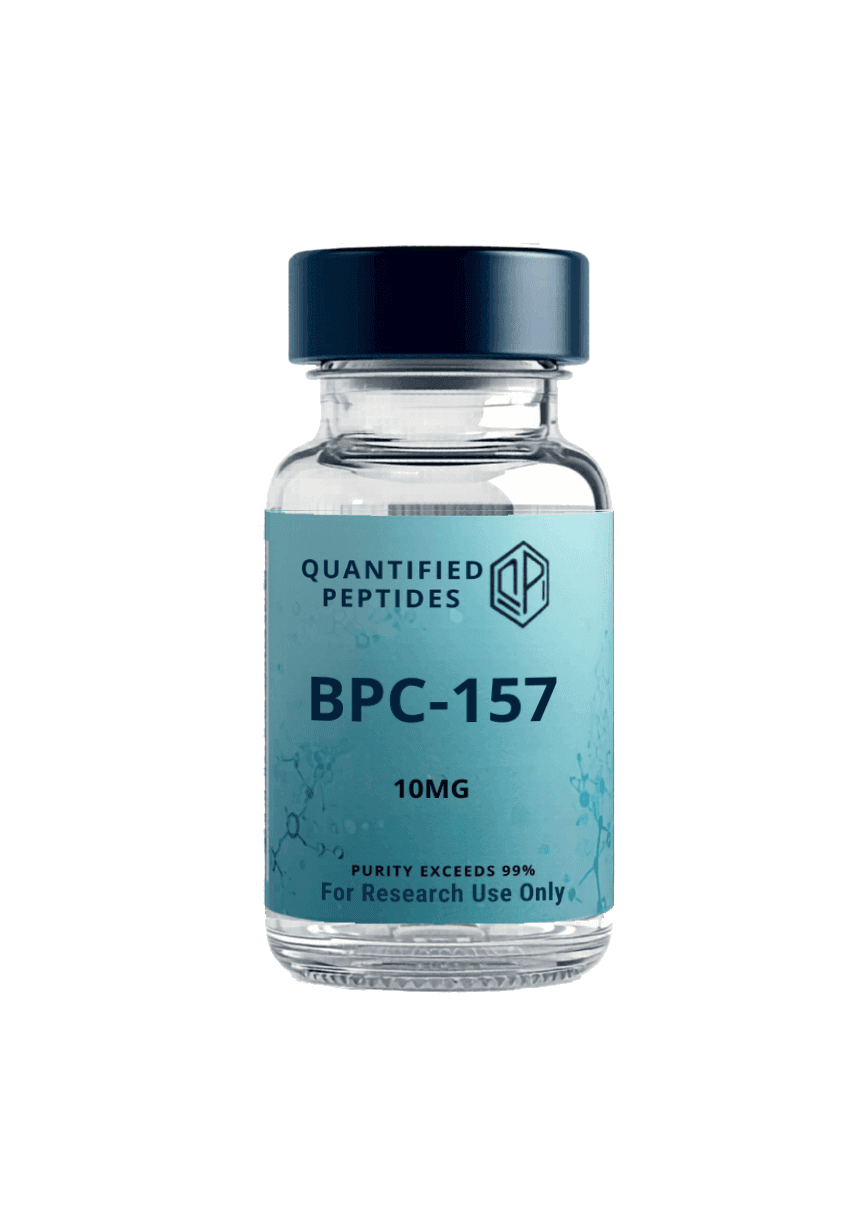
- BPC-157: the gastric-juice-derived pentadecapeptide, studied in tissue-repair and angiogenesis models.
- TB-500: a fragment of thymosin beta-4, studied for its role in actin binding and cell migration.
Why they are studied together
Tissue repair in the models used is not one process but a sequence: an inflammatory phase, a proliferative phase in which cells migrate and divide, and a remodelling phase in which matrix is laid down and reorganised. The four peptides map, in the research rationale, onto those phases: KPV to inflammation, TB-500 to migration, BPC-157 to local signalling and vascular supply, GHK-Cu to matrix. A combined preparation lets a laboratory examine the phases together rather than one at a time.
Whether the components interact, and how, is itself a research question. Studies of the individual peptides are far more numerous than studies of the combination.
What a combined vial means in practice
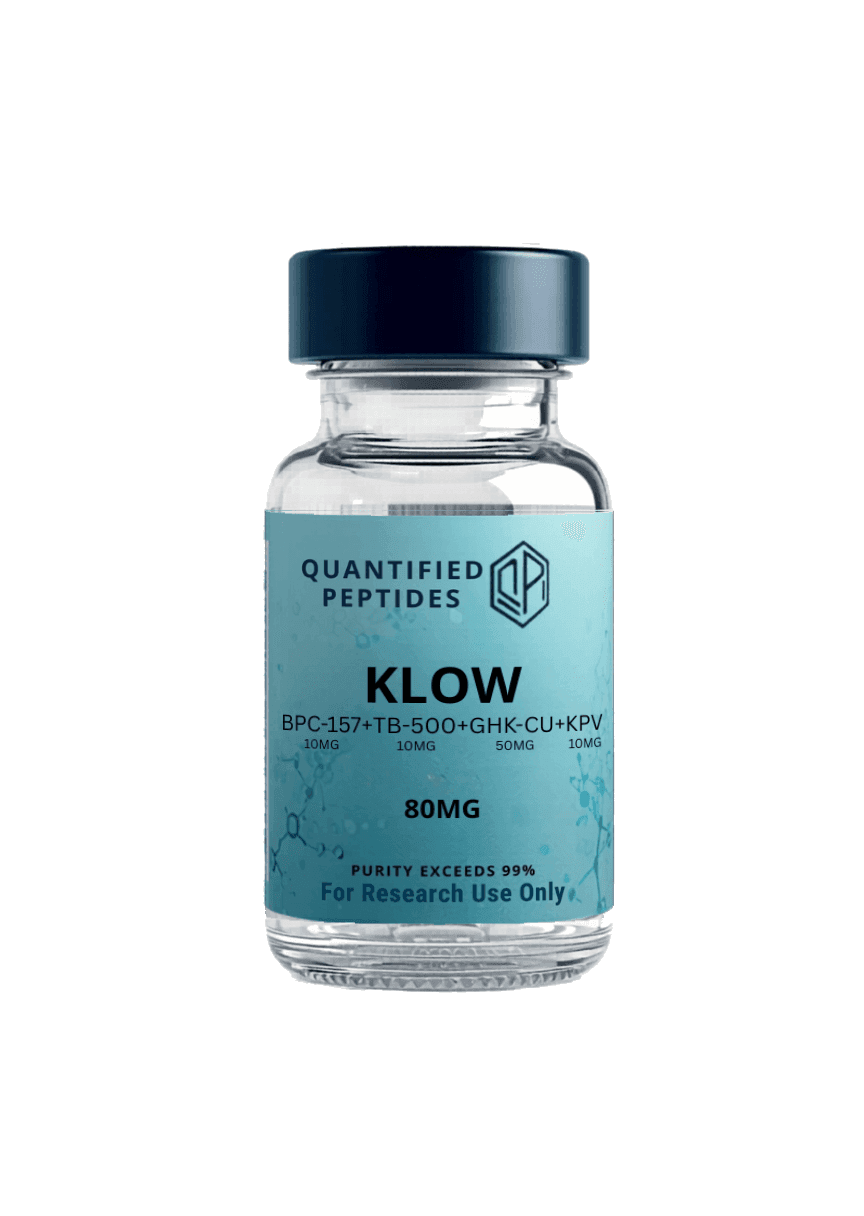
A blend is supplied as a single lyophilised vial containing all four peptides at the listed amounts. It is reconstituted as one solution, which fixes the ratio between components; a laboratory that needs to vary that ratio should use the individual compounds instead. Every component and its amount is listed on the product page, and the total is the sum of the parts.
Handling
The KLOW blend is supplied lyophilised in an 80 mg total specification, stored frozen, dry and dark, and reconstituted in the laboratory. For in-vitro research only.
Products in this guide
Supplied strictly for in-vitro laboratory research. Not for human or animal use. Not approved by the TGA or any regulator for therapeutic use. Nothing in this guide is advice on use, dose or outcome.