Origin and structure
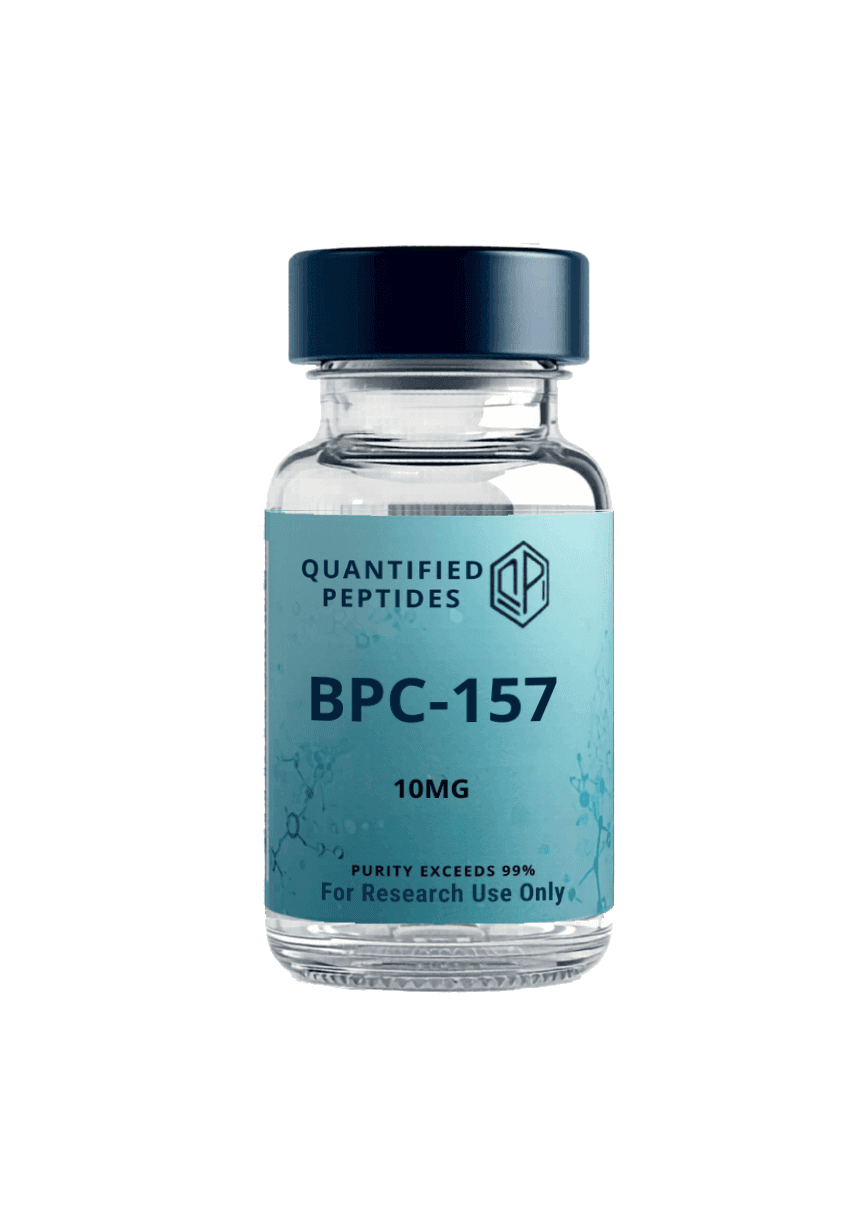
BPC-157 is a synthetic pentadecapeptide, fifteen amino acids long, whose sequence is a fragment of a larger protective protein first isolated from human gastric juice. It is notable among research peptides for its stability: it is reported to remain intact in gastric conditions that break down most peptides, which is part of why it attracted attention as an experimental tool.
The models it has been studied in
The bulk of the literature is preclinical and comes from rodent injury models. Tendon-to-bone healing, transected muscle, ligament injury and intestinal lesions recur across the papers, along with vascular models examining blood-vessel formation after injury. In vitro work has looked at fibroblast migration and at gene expression in cultured tendon cells.
These are laboratory findings in specific model systems. They are the reason BPC-157 is a research compound; they are not evidence about use in people, and no regulator has approved it for any therapeutic purpose.
Pathways proposed in the literature
Several mechanisms have been put forward to explain the observations, and they are not mutually exclusive.
- Angiogenesis: increased expression of vascular endothelial growth factor and new capillary formation in injury models.
- Nitric oxide signalling: modulation of nitric oxide synthesis, with downstream effects on local blood flow examined in vascular preparations.
- Growth-hormone receptor expression: upregulation observed in cultured tendon fibroblasts, proposed as a route to faster cell migration.
- Cytoprotection: the original context, a protective effect on gastric and intestinal tissue in lesion models.
Why it appears in research blends
BPC-157 is frequently paired with TB-500, a fragment of thymosin beta-4, in research preparations. The rationale in the literature is that the two are studied for complementary roles: BPC-157 for local signalling at a repair site and TB-500 for actin-related cell migration. Blends that also include GHK-Cu or KPV extend the same logic into extracellular-matrix and inflammation research. On this site those combinations are supplied as single vials with every component and dose listed.
What a researcher should know before ordering
BPC-157 is supplied as a lyophilised powder and reconstituted in the laboratory. It is stored frozen, dry and away from light. It is offered strictly for in-vitro research; the confirmation to that effect at checkout is a condition of sale.
Products in this guide
Supplied strictly for in-vitro laboratory research. Not for human or animal use. Not approved by the TGA or any regulator for therapeutic use. Nothing in this guide is advice on use, dose or outcome.