The molecule
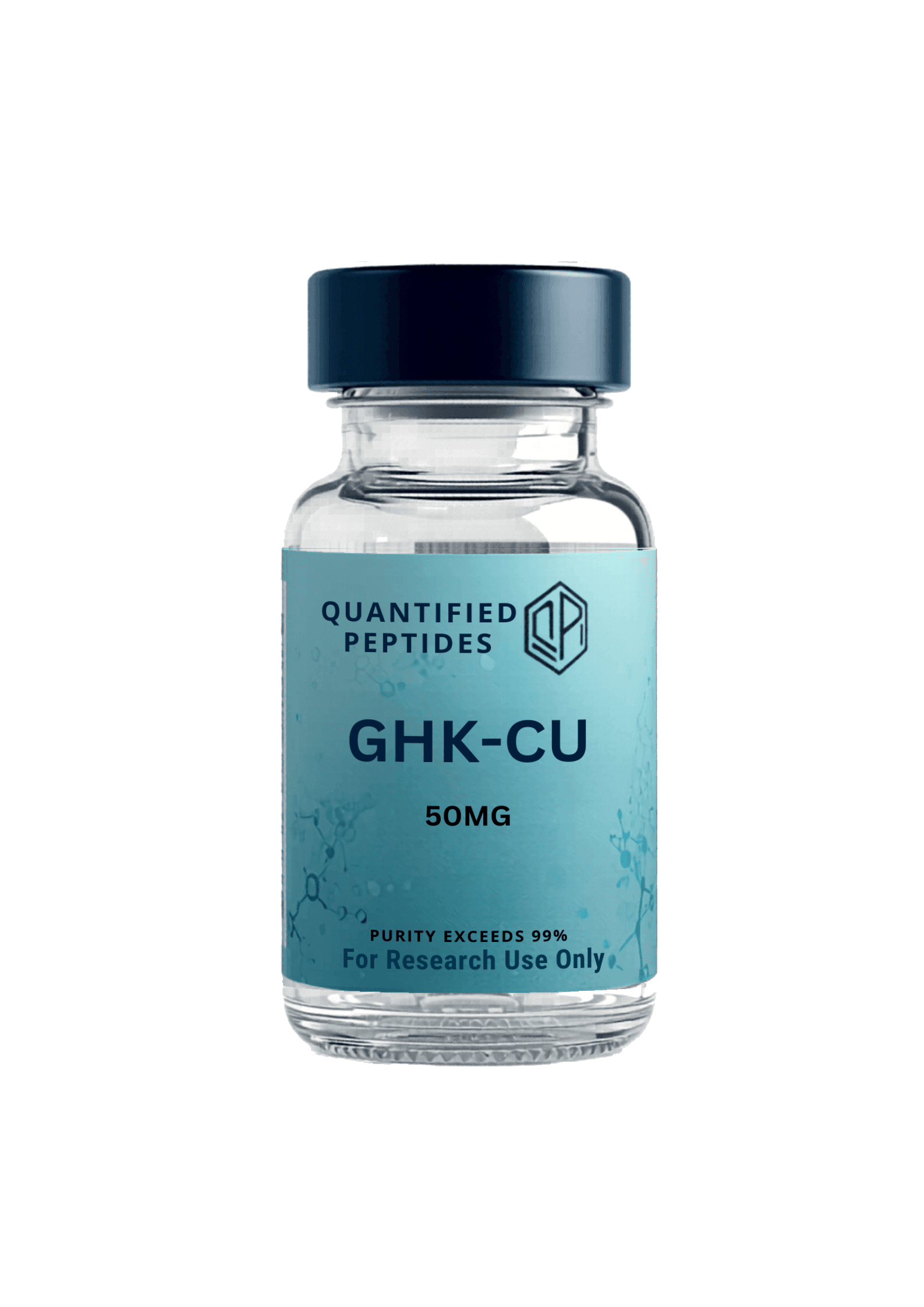
GHK is the tripeptide glycyl-L-histidyl-L-lysine, first identified in human plasma. It binds copper(II) with high affinity through its histidine residue, and the copper complex, GHK-Cu, is the form most research uses. Reported plasma levels of the free peptide decline with age in the populations studied, which is one reason it attracted attention in ageing research.
Fibroblast and matrix models
The core of the literature is in vitro work with dermal fibroblasts, the cells that produce the collagen and elastin of connective tissue. Studies measure collagen synthesis, glycosaminoglycan production and the balance between matrix metalloproteinases, which break matrix down, and their inhibitors, which restrain them. Wound-closure assays in cell culture and in animal models extend the same questions to tissue.
Gene-expression profiling
A body of work has examined GHK-Cu's effect on gene expression across the genome in cultured cells, reporting changes in the expression of a large number of genes involved in tissue repair, inflammation and oxidative stress. Those studies are what make GHK-Cu a reference compound: they give researchers a documented expression signature to compare other interventions against.
Setting up an assay
- Confirm the material first. A GHK-Cu report should establish sequence, copper binding and the absence of free copper, as described in the testing guide on this site.
- Copper is biologically active on its own. Well-designed studies include a copper-only control so that effects of the complex can be separated from effects of the ion.
- Concentration ranges in the literature span several orders of magnitude; the response is not linear, and the design should cover the range rather than a single point.
Handling
GHK-Cu is supplied lyophilised in 50 mg and 100 mg specifications, has a characteristic blue colour from the copper complex, and is stored frozen, dry and dark. For in-vitro research only.
Products in this guide
Supplied strictly for in-vitro laboratory research. Not for human or animal use. Not approved by the TGA or any regulator for therapeutic use. Nothing in this guide is advice on use, dose or outcome.